Want to talk to a technical specialist about your specs for an automatic bag unloading system?

Mitch Smith
Sales Support Engineer
269-823-7423
An automated bag unloader provides a controlled, consistent way to open and empty bagged powders and granular materials into a production process. Automated bag handling helps maximize material recovery, maintain predictable throughput, reduce product contamination risks, and integrate bag emptying with downstream conveying and process equipment.
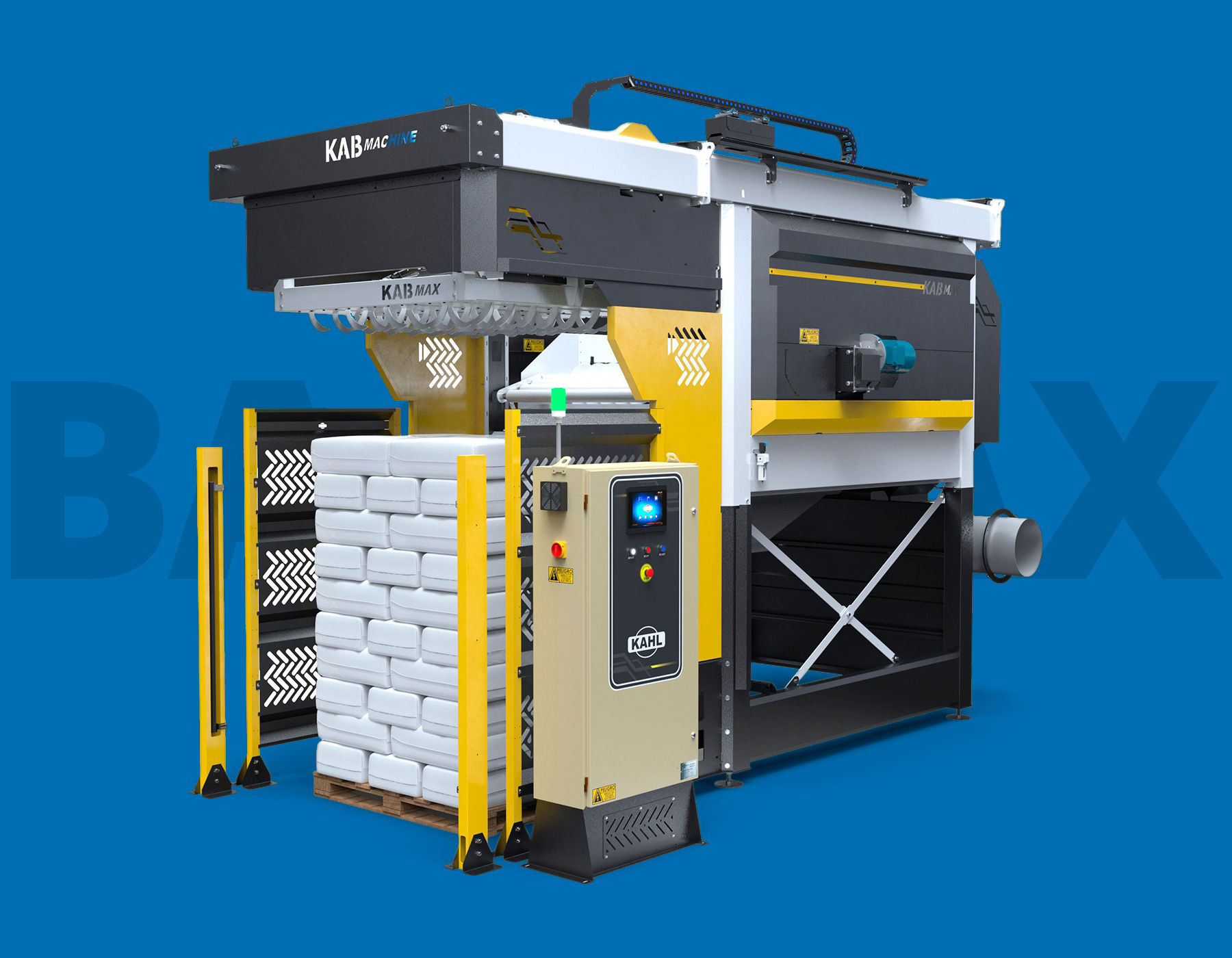
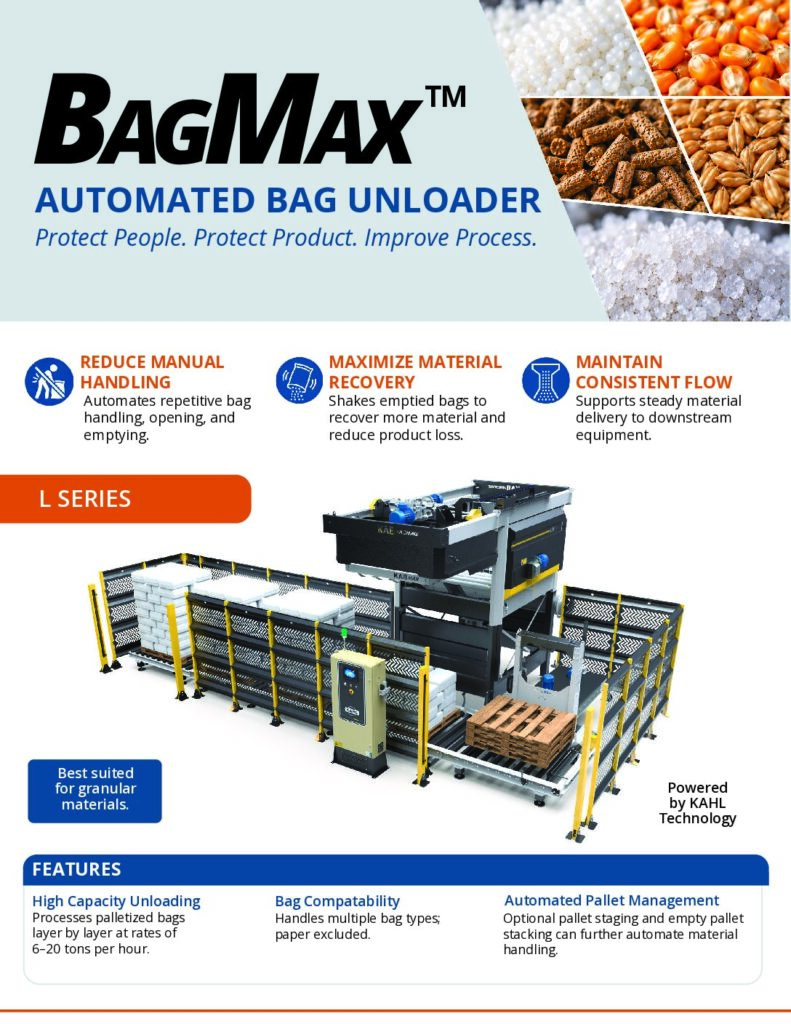
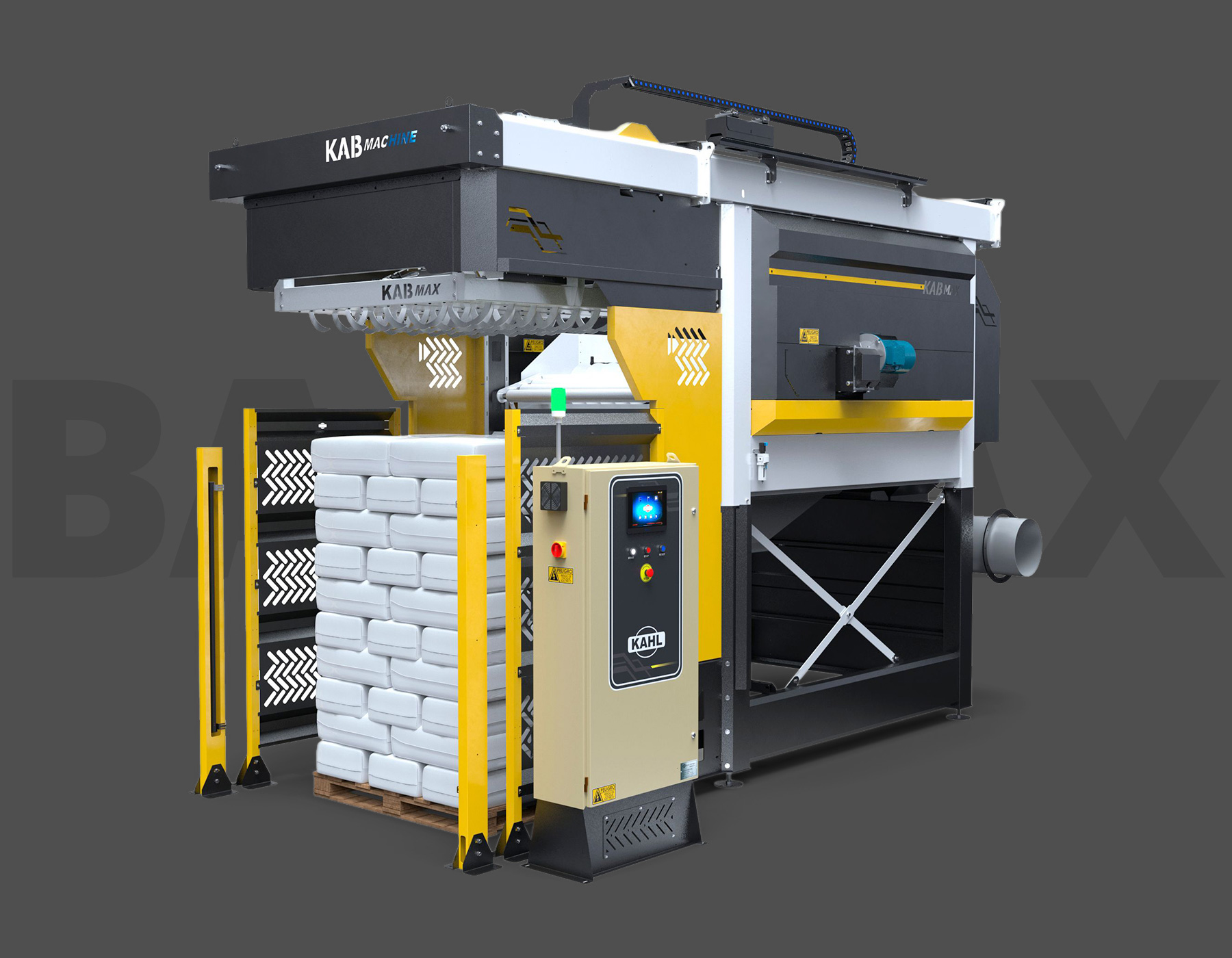
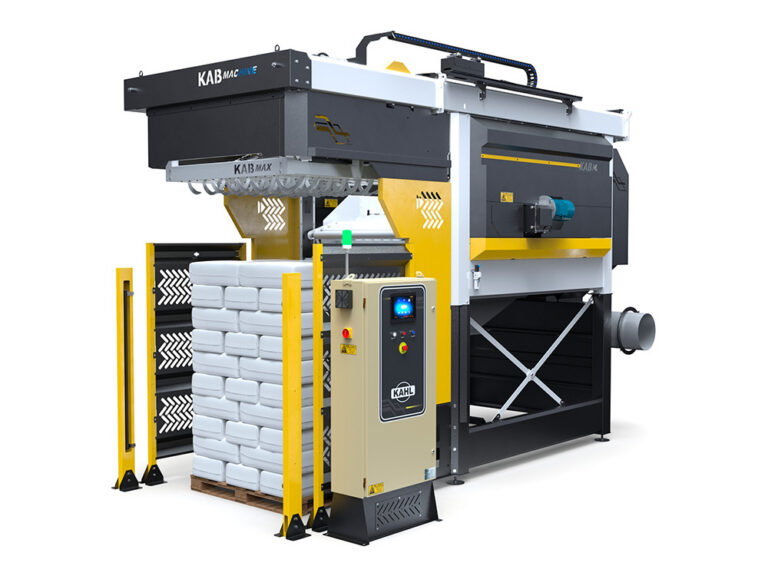
BagMax™ delivers high-capacity bag opening and emptying with configurations designed specifically for powder and granular material handling. Purpose-built automation provides consistent material discharge while reducing operator handling and maximizing product recovery.
Integrate BagMax with other bulk material equipment from Hapman like the Helix® Flexible Screw Conveyor, CablePro® Tubular Drag Conveyor or IntegriVac® for a complete conveying system.
Our Performantee is a 100% operational guarantee that you will be fully satisfied with the performance of our equipment, and that it will achieve the specific results for which it was designed and manufactured. If not, we will revise or repair it to deliver the results we promised.

Every BagMax follows the same four steps. The main difference between models is how bags get into the machine.
Load
Bags are introduced into the system for automated handling
Open & Empty
Bags are opened and material discharges into the receiving hopper.
Recover
Empty bags are shaken to release residual material and maximize recovery.
Remove
Empty bags are removed from the process for collection or optional compaction.
Bag feeding varies by configuration. The L Series handles palletized bags layer by layer, while the S Series processes individual bags introduced manually or through robotic pallet handling.
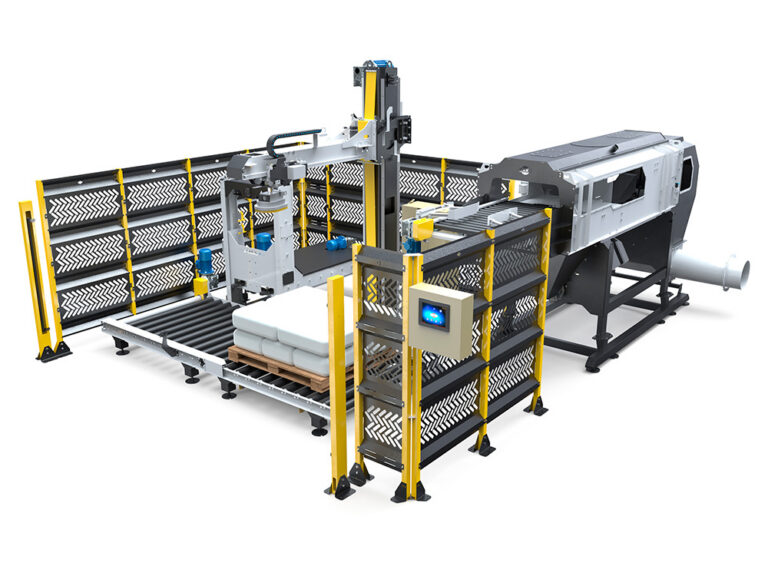
Match bag feeding to your labor and throughput needs, and tie into your dust control.
An operator places bags on the infeed conveyor, and the machine opens and empties them automatically.
Best for
Lower volumes or lines with an operator on hand
A robotic arm picks bags from the pallet and feeds them in automatically.
Best for
Eliminating manual bag lifting
Connects to your plant dust collection system, or ships with a dedicated collector.
Best for
Fine or dusty powders
Stages loaded pallets and automatically advances them into the unloading process, reducing operator handling between cycles.
Best for
Running multiple pallets back-to-back
Automatically removes and stacks empty pallets after the bags have been unloaded.
Best for
Keeping the unloading area clear
Compacts emptied bags for easier collection, handling, and disposal.
Best for
High bag volumes and less waste handling
Hapman’s engineering team has helped customers with automated bag unloading applications in the following industries:
Not sure if BagMax is the right fit for your material and process? Our team can walk through your specs and help you find the exact configuration you need.
Want to talk to a technical specialist about your specs for an automatic bag unloading system?
Mitch Smith
Sales Support Engineer
269-823-7423
Explore our bulk bag unloaders.
What materials can an automated bag unloader handle?
Hapman offers KAHL automated bag unloading configurations designed specifically for powders and granular materials. The KAB is intended for granular materials, while the ABI is designed for powders. Selecting the right configuration depends on the material characteristics, bag type, required capacity, and desired level of automation.
What types of bags can an automatic bag opening machine handle?
Bag compatibility depends on the selected configuration. The KAB can handle multiple bag types but is not designed for paper bags. The ABI provides greater bag flexibility and can accommodate a wider range of bag types. Bag construction and material should be reviewed as part of application evaluation.
How fast can an automated bag unloader empty bags?
Capacity depends on the material and system configuration. The KAB handles granular materials at approximately 6–20 tons per hour, while the ABI handles powders at approximately 4–5 bags per minute. Actual performance depends on the application and material characteristics.
How much material remains in the bag after automatic emptying?
The system is designed to maximize material recovery by shaking emptied bags to remove residual product before the bags leave the unloading process. Up to 99.9% bag emptying has been documented for the KAHL technology, although actual recovery depends on the material and application.
Can an automatic bag emptying system reduce dust?
For powder applications, the ABI can connect to a plant’s existing dust collection system or be supplied with dedicated dust collection. This helps contain dust generated during bag opening and emptying. Dust collection requirements depend on the material and application.
Can bags be automatically unloaded directly from a pallet?
Yes. The KAB accepts a loaded pallet and automatically handles bags layer by layer. For powder applications, the ABI can be configured with robotic handling that picks individual bags from the pallet and introduces them into the automatic bag emptying system. A semi-automatic ABI configuration is also available for operator-fed bags.
What happens to the empty bags after unloading?
After material recovery, emptied bags are removed from the unloading process for collection. An empty-bag compactor is available as an option for applications where reducing the volume of discarded bags simplifies handling and disposal.