Tube Connections
Sanitary flange and compression coupling configurations available to meet application requirements.
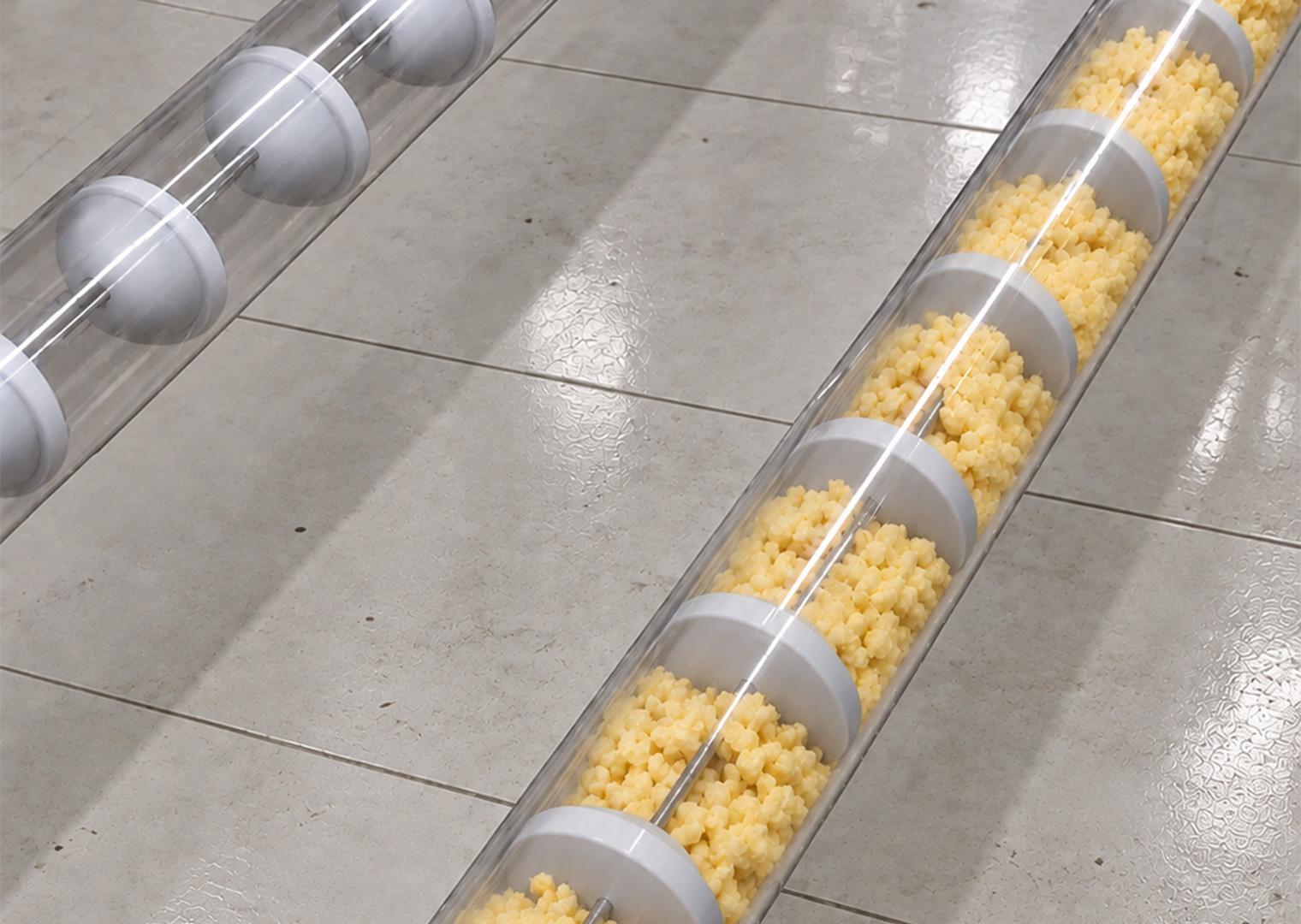
Tubular cable conveyors are well suited for food processing applications where gentle handling and sanitary operation are important. Material moves through an enclosed tube at controlled speeds, helping reduce breakage and product degradation while limiting exposure to the surrounding environment. The enclosed design also supports sanitary material handling throughout the conveying process.
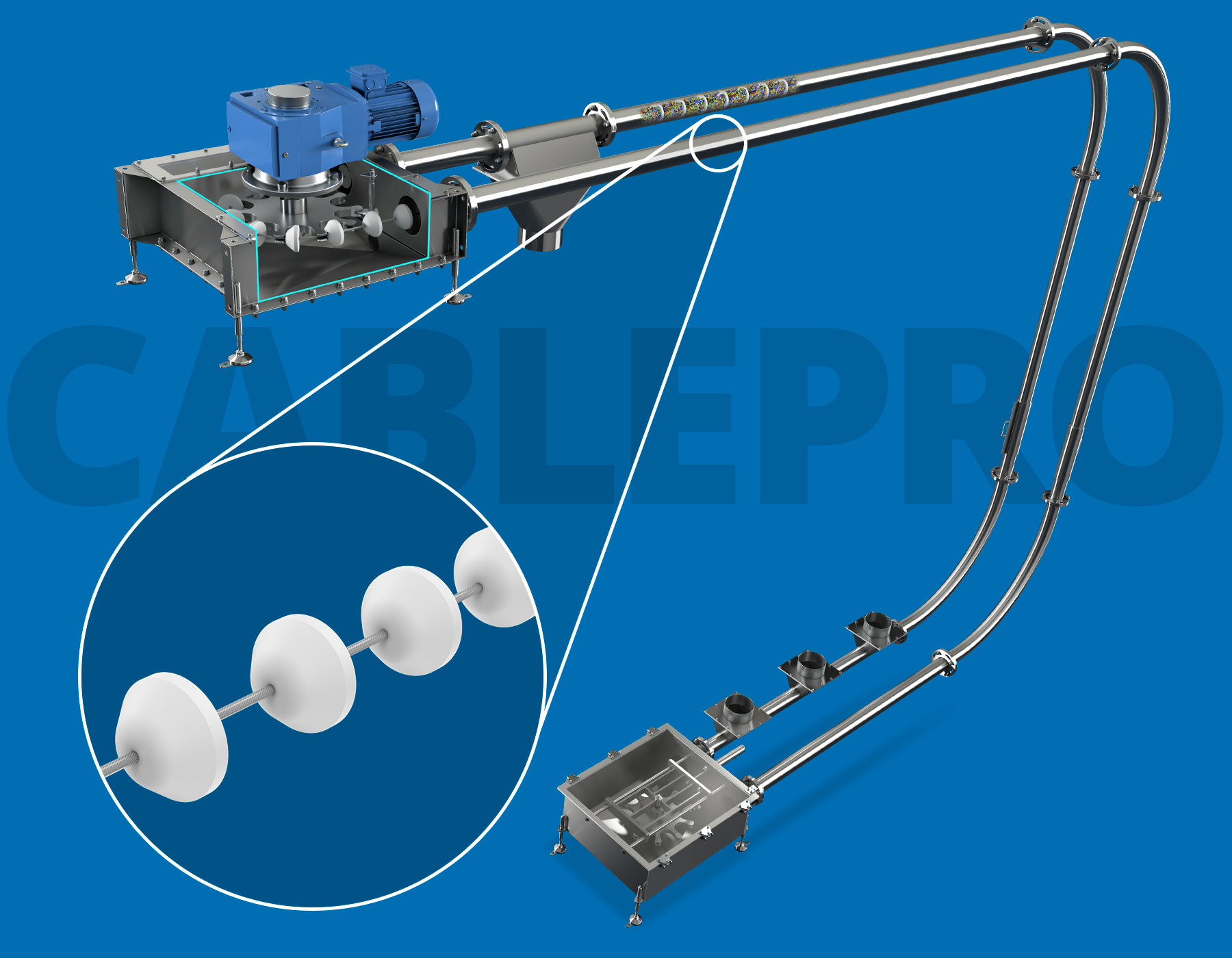
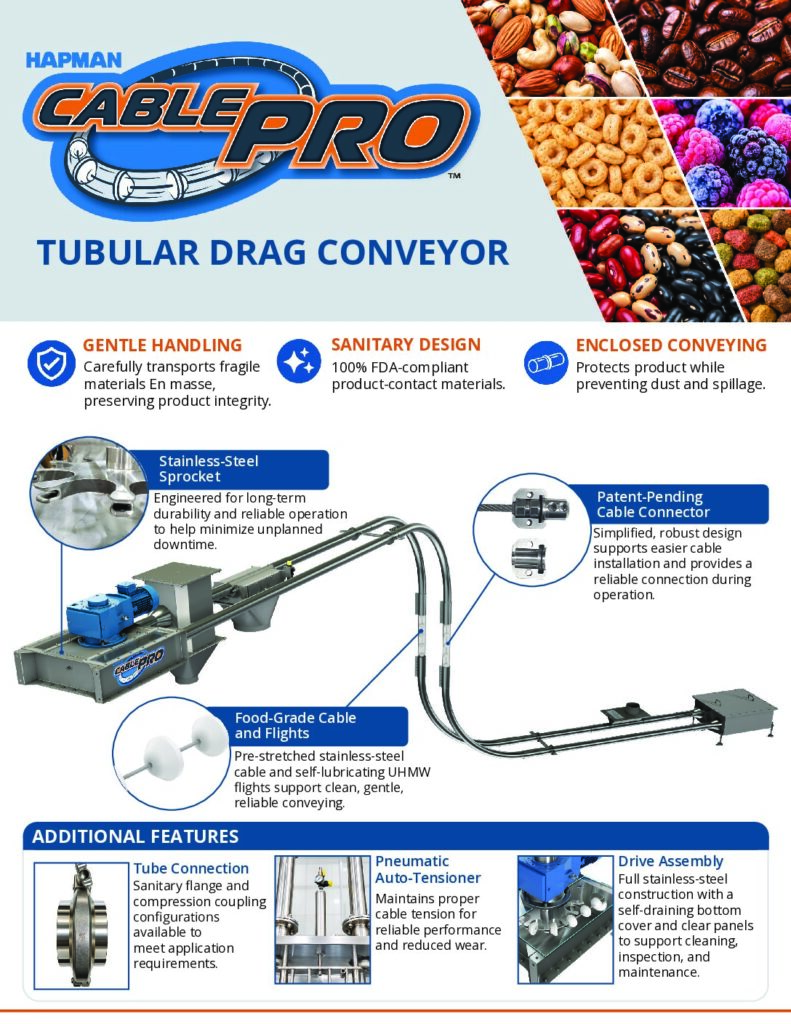
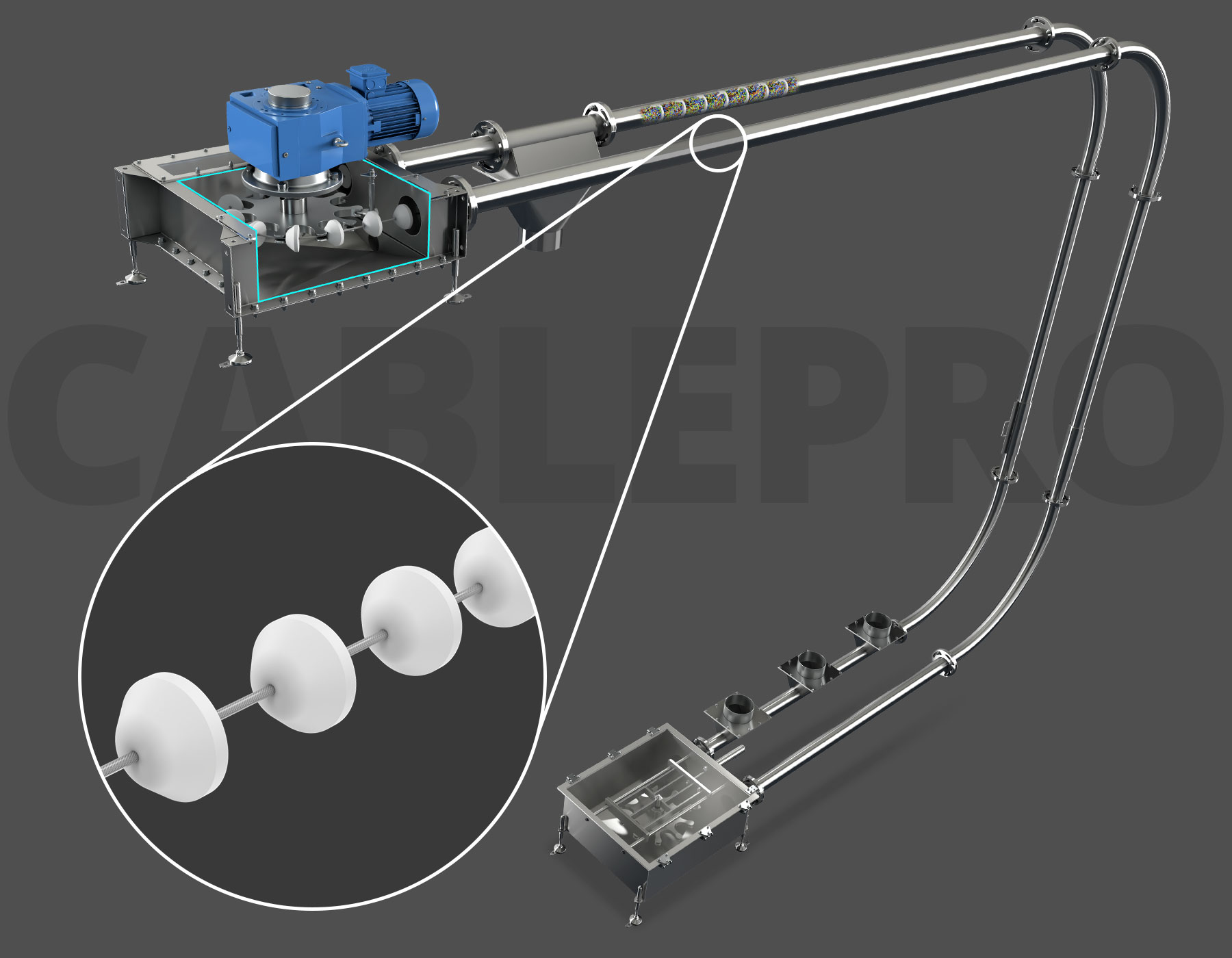
CablePro is engineered to address wear at the critical points of a tubular cable conveyor. Hapman’s sprocket, cable connector, and cable-and-flight assemblies are designed to work together to reduce wear and support longer component life. Product-contact components—including the flights, ferrules, cable, and cable coating—are made from 100% FDA-compliant materials for food processing applications. The result is a robust cable conveying system designed for reliable operation in demanding production environments.
Integrate the CablePro® with other bulk material equipment from Hapman like the Bulk Bag Unloader, Bag Dump Stations, or Bulk Bag Filler for a complete conveying system.
Our Performantee is a 100% operational guarantee that you will be fully satisfied with the performance of our equipment, and that it will achieve the specific results for which it was designed and manufactured. If not, we will revise or repair it to deliver the results we promised.

Connector
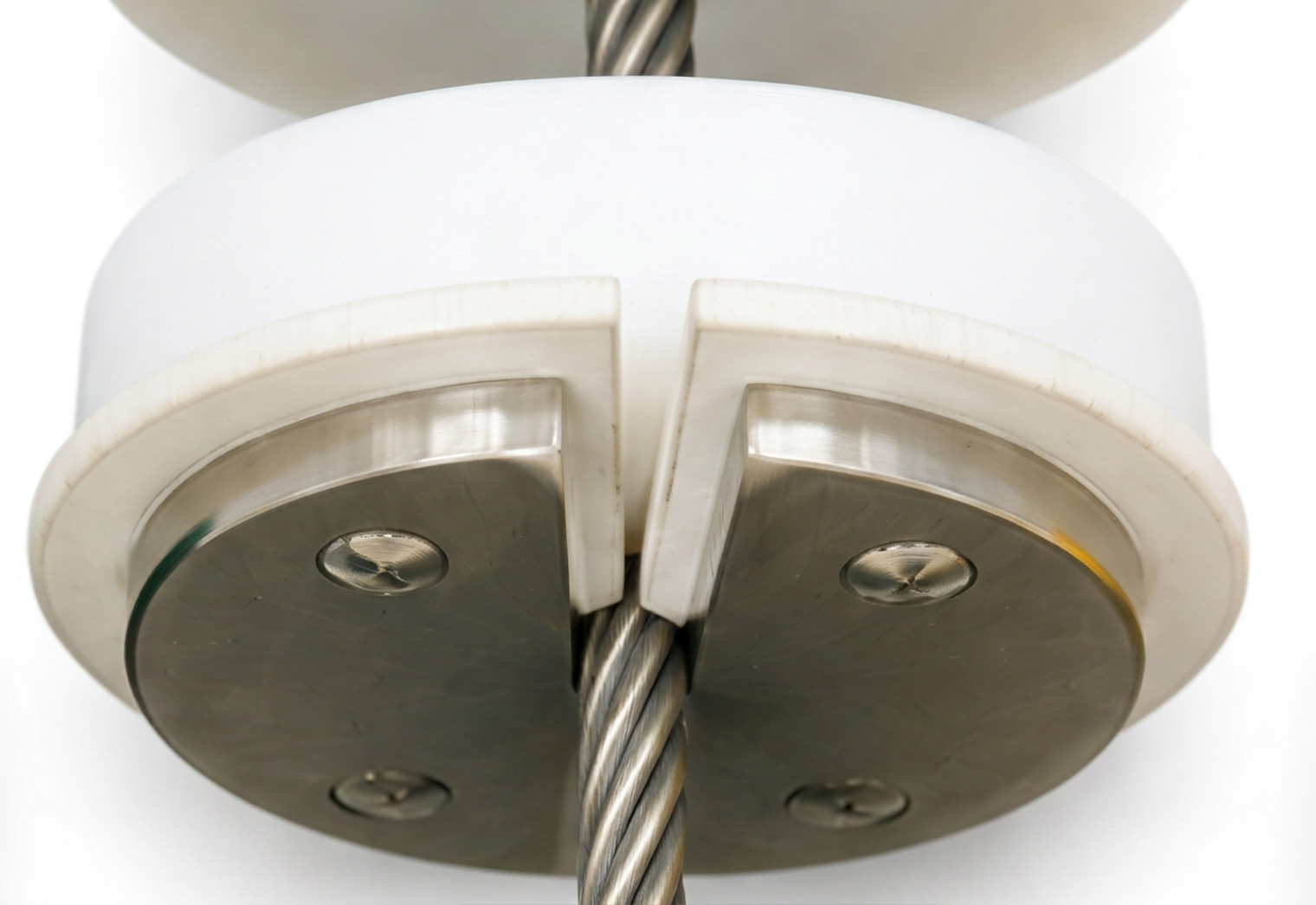
A patent-pending stainless-steel connector securely joins cable sections while allowing controlled rotation, helping manage cable twist for reliable movement through the conveyor.
Cable
UHMW flights are injection molded onto abrasion-resistant coated stainless-steel cable, with FDA-compliant modifiers that reduce friction and extend wear life.
Drive
Full stainless-steel construction with a polished sprocket, self-draining bottom cover, clear inspection cover, and 5 HP gear motor. Available floor-mounted or suspended.
Turnaround
Full stainless-steel construction with a polished sprocket and pneumatic auto-tensioner with position-indicating sensors. Includes a safety-sensor top cover and sprocket cleaning pick.
Layout
Z-, C-, and L-configurations are most common. A 12-gauge stainless-steel tube casing with slotted-flange connectors routes material horizontally and vertically to fit your facility.
Conveyor capacity depends on size, speed, and material characteristics. The figures below assume a bulk density of 40 lb/ft³ and approximately 80% pocket fill. CablePro can handle materials with bulk densities ranging from 10–100 lb/ft³. Actual throughput will vary by application. Contact Hapman for a capacity estimate specific to your material.
| Convey Speed (ft/min) | 4″ Conveyor Capacity | 6″ Conveyor Capacity | ||
|---|---|---|---|---|
| 40 | 2.5 cu.ft./min | 6,000 lbs./hr. | 6 cu.ft./min. | 14,400 lbs./hr. |
| 60 | 3.75 cu.ft./min | 9,000 lbs./hr. | 9 cu.ft./min. | 21,600 lbs./hr. |
| 80 | 5 cu.ft./min | 12,000 lbs./hr. | 12 cu.ft./min. | 28,800 lbs./hr. |
| 120 | 7.5 cu.ft./min | 18,000 lbs./hr. | 17.5 cu.ft./min. | 42,000 lbs./hr. |
| 140 | 8.75 cu.ft./min | 21,000 lbs./hr. | 20.5 cu.ft./min. | 49,200 lbs./hr. |
Options for cleaning during operation and between runs help reduce downtime and support your sanitation requirements.
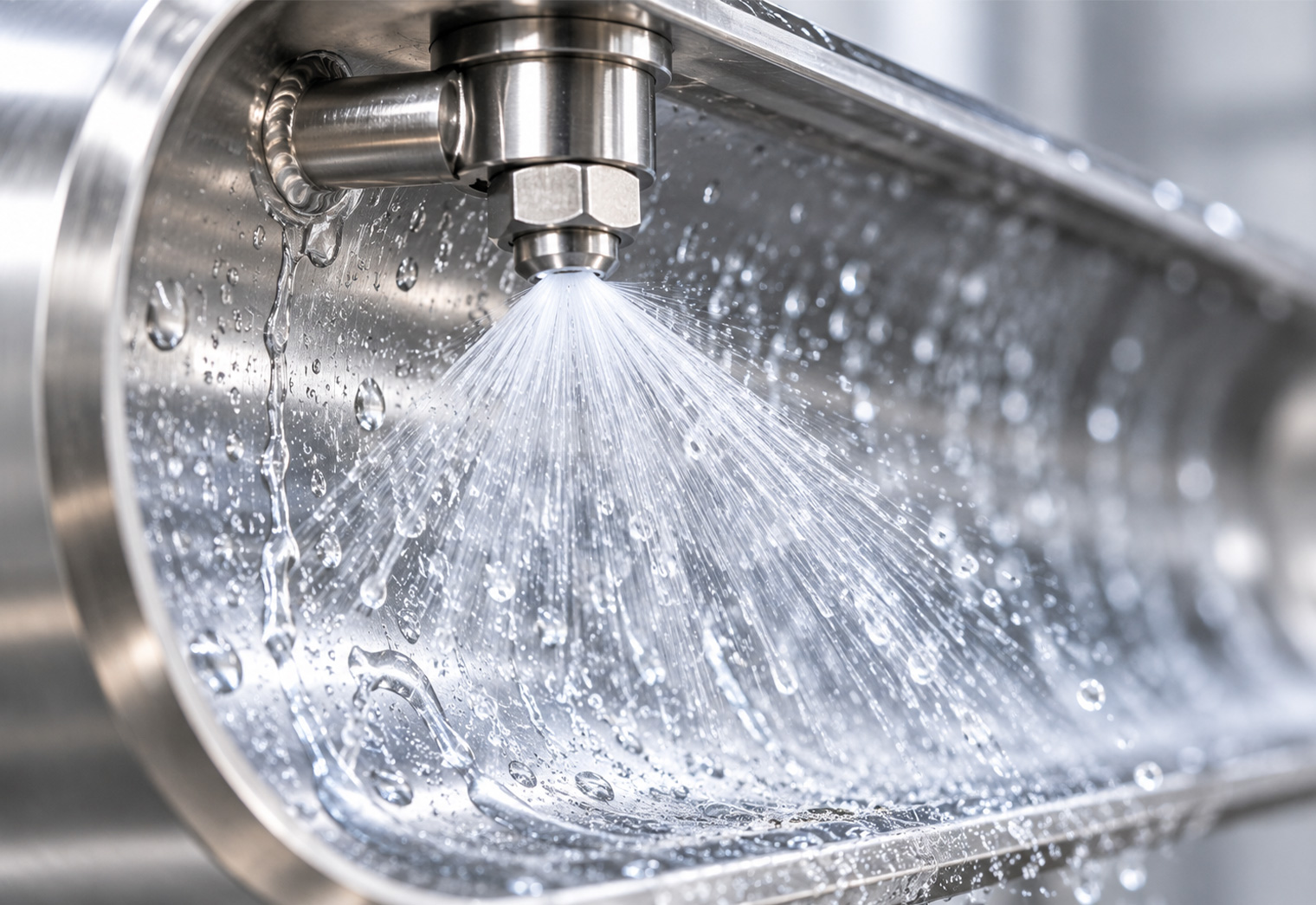
Enables in-place wet cleaning with spray nozzles in the drive, idler, brush box, and discharge gates.
Examples
Wet cleaning without disassembly
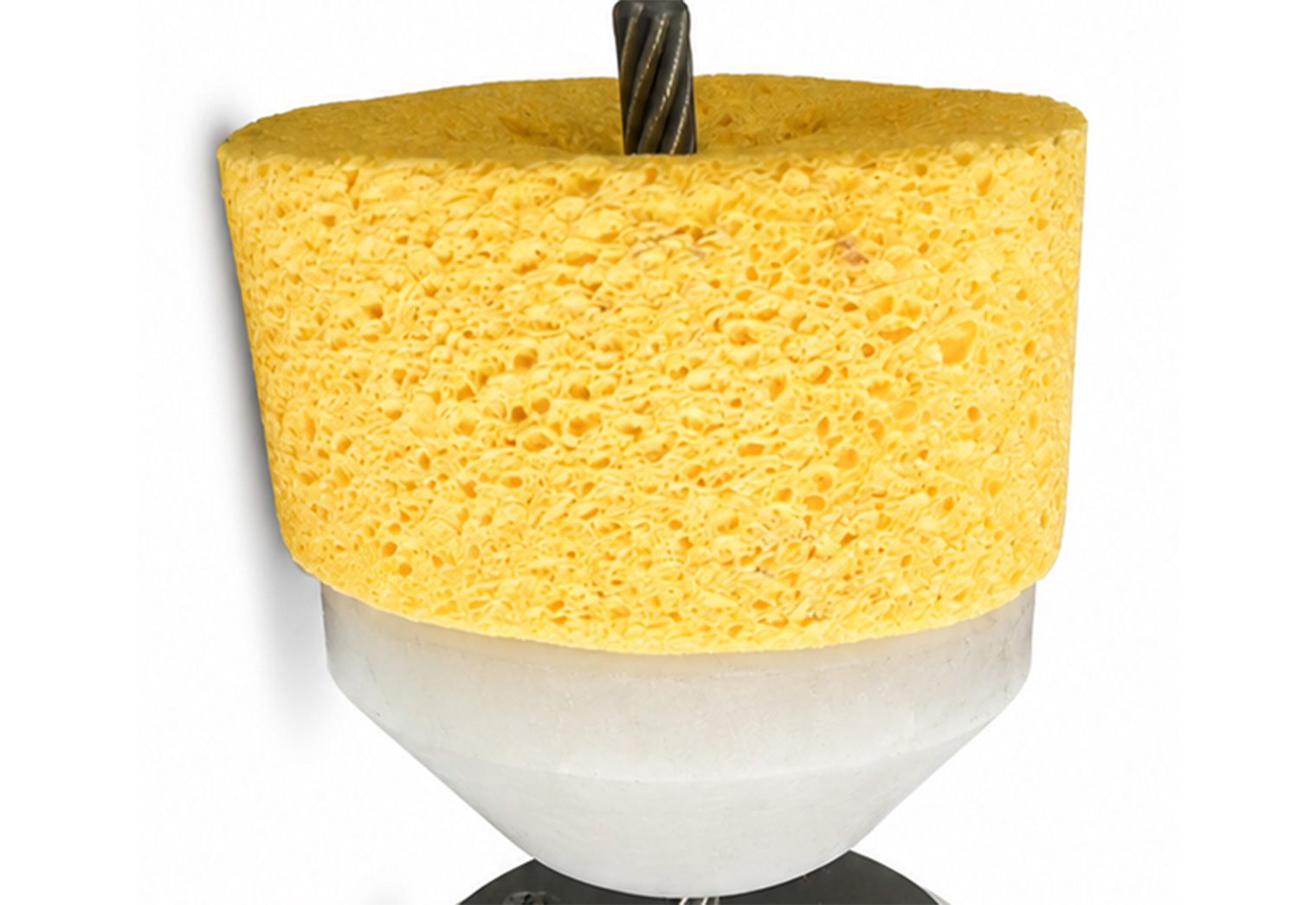
Applies cleaning agents to the inside of the conveyor tube.
Examples
Wet or dry cleaning
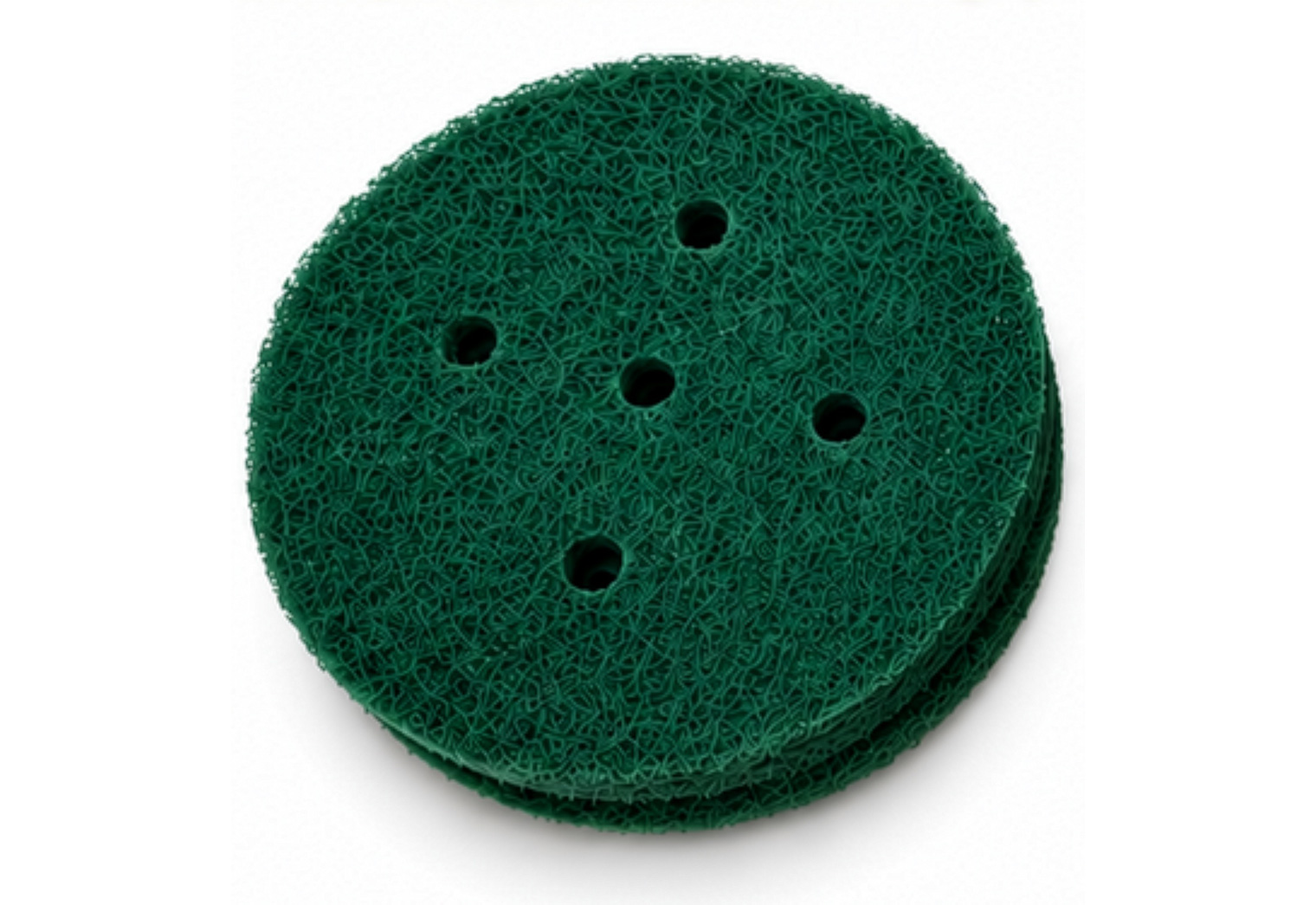
Loosens and removes stubborn material buildup from inside the tube.
Examples
Heavy or hardened buildup
Removes particulates from the tube and helps dry it after cleaning.
Examples
Following CIP
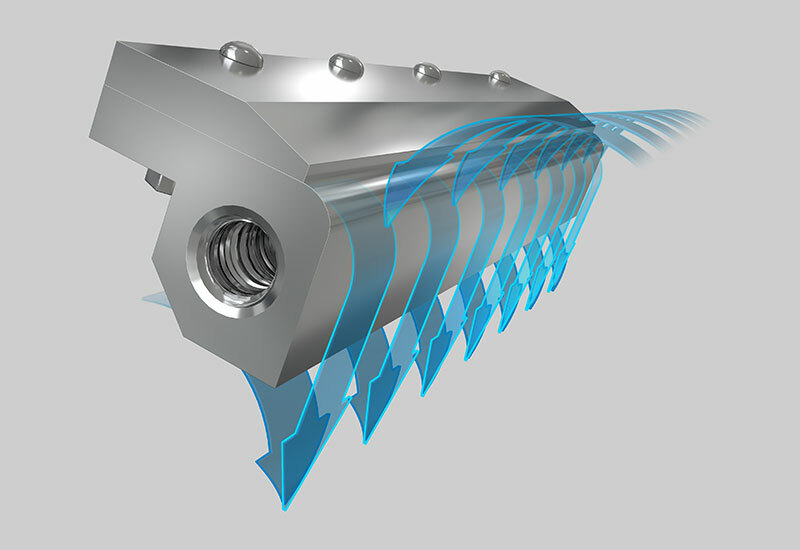
Clears particulates from the cable and flights and assists with drying.
Examples
During operation or after CIP
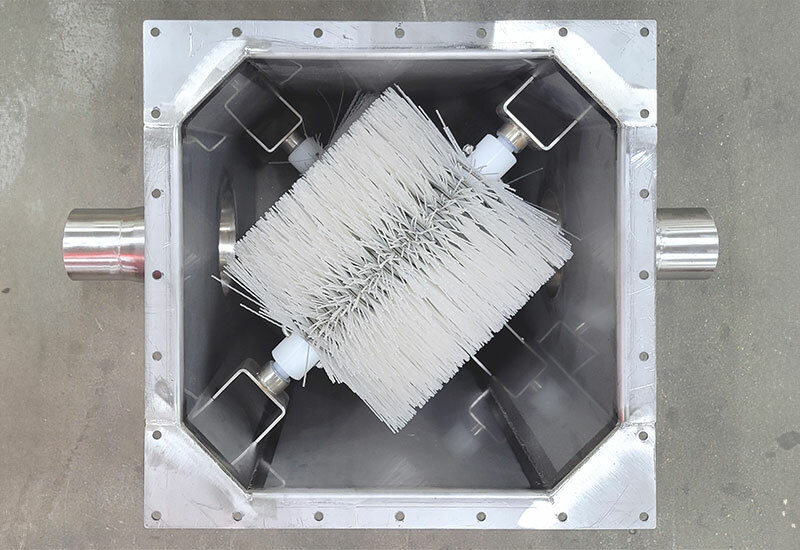
Removes debris from the cable and flights. Available powered or non-powered.
Examples
During operation

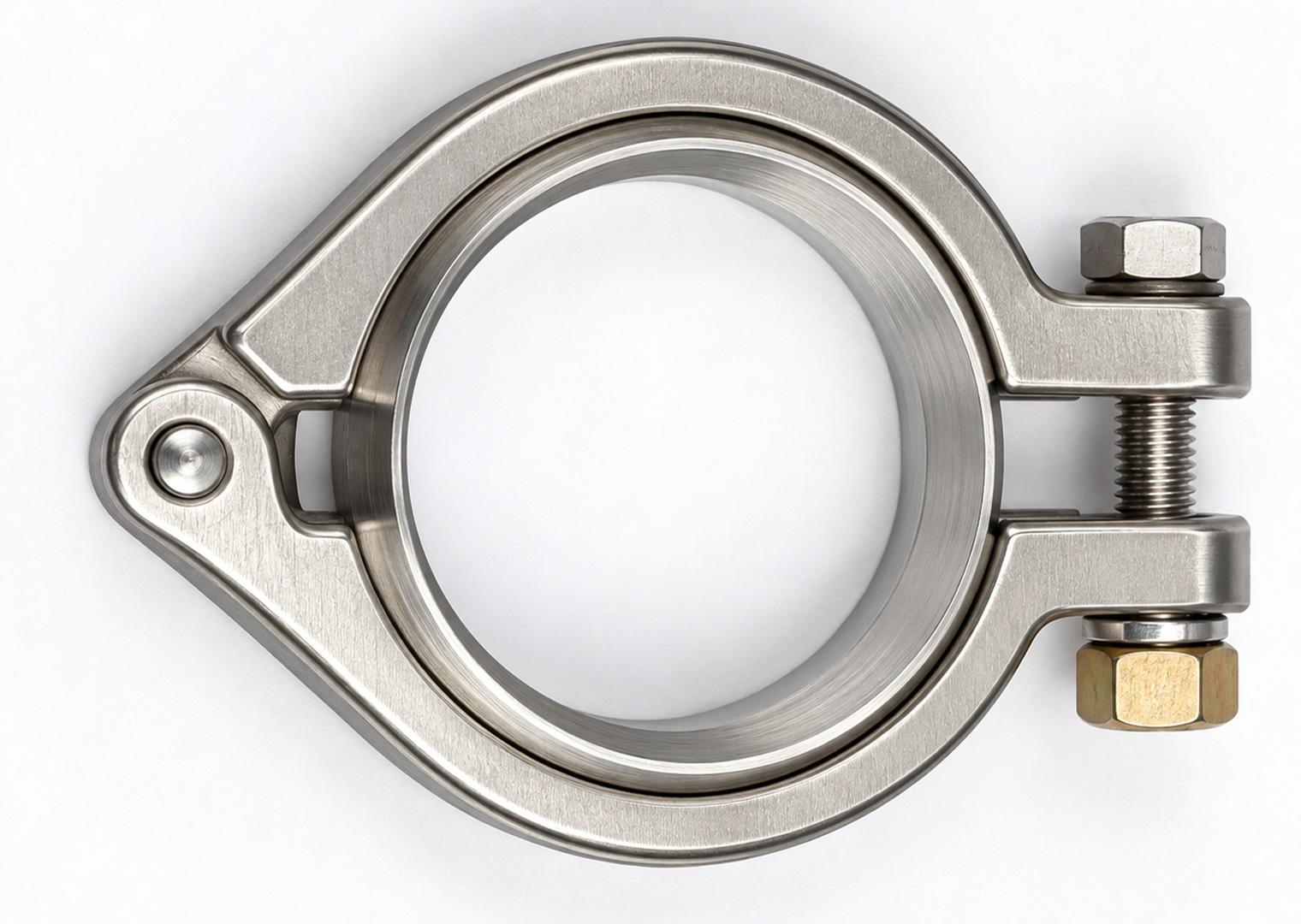
Sanitary flange and compression coupling configurations available to meet application requirements.
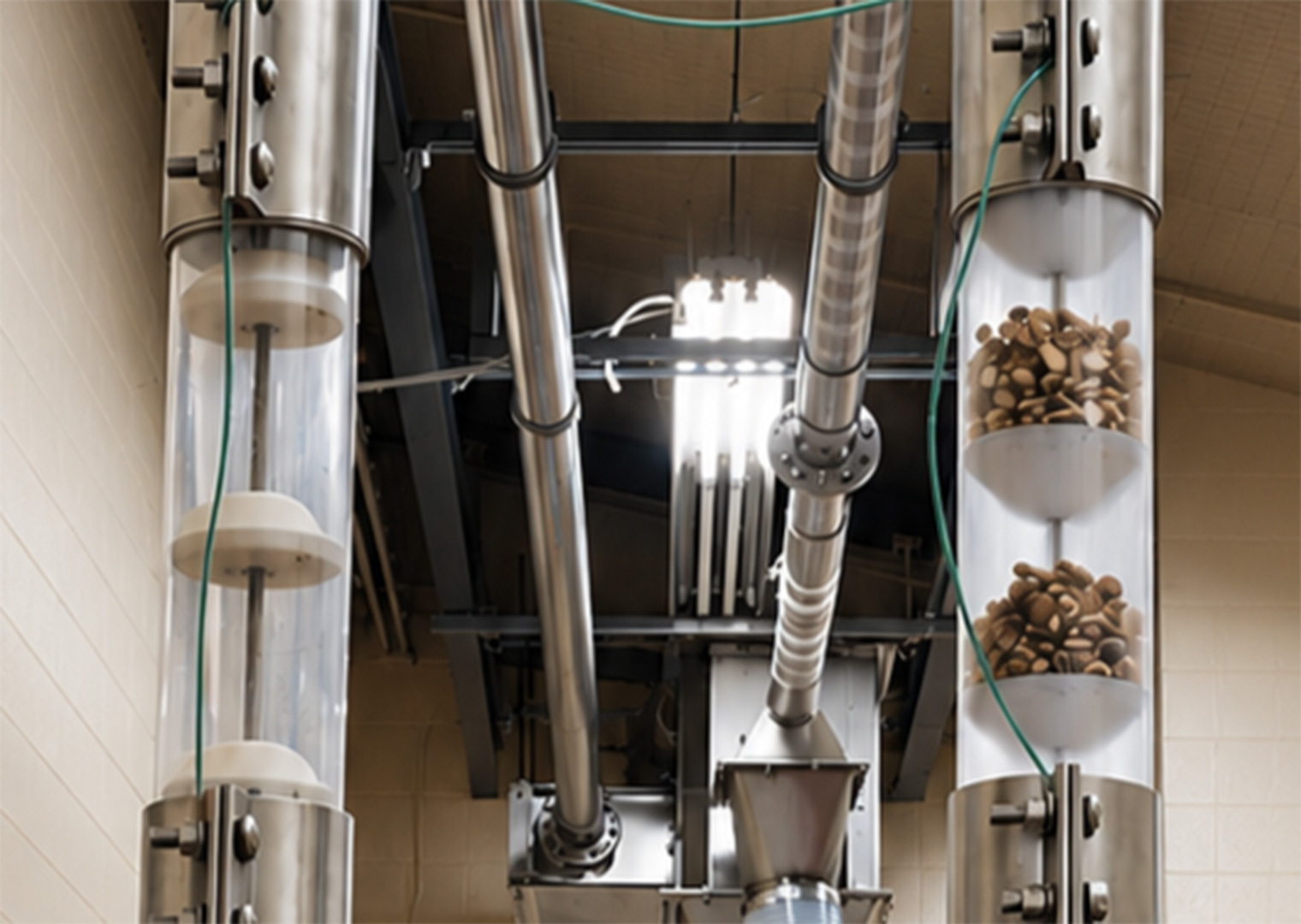
Clear tube sections provide visibility into material flow and conveyor operation.
Available for select applications where stainless steel may not be preferred, including certain nut and frozen-food applications.
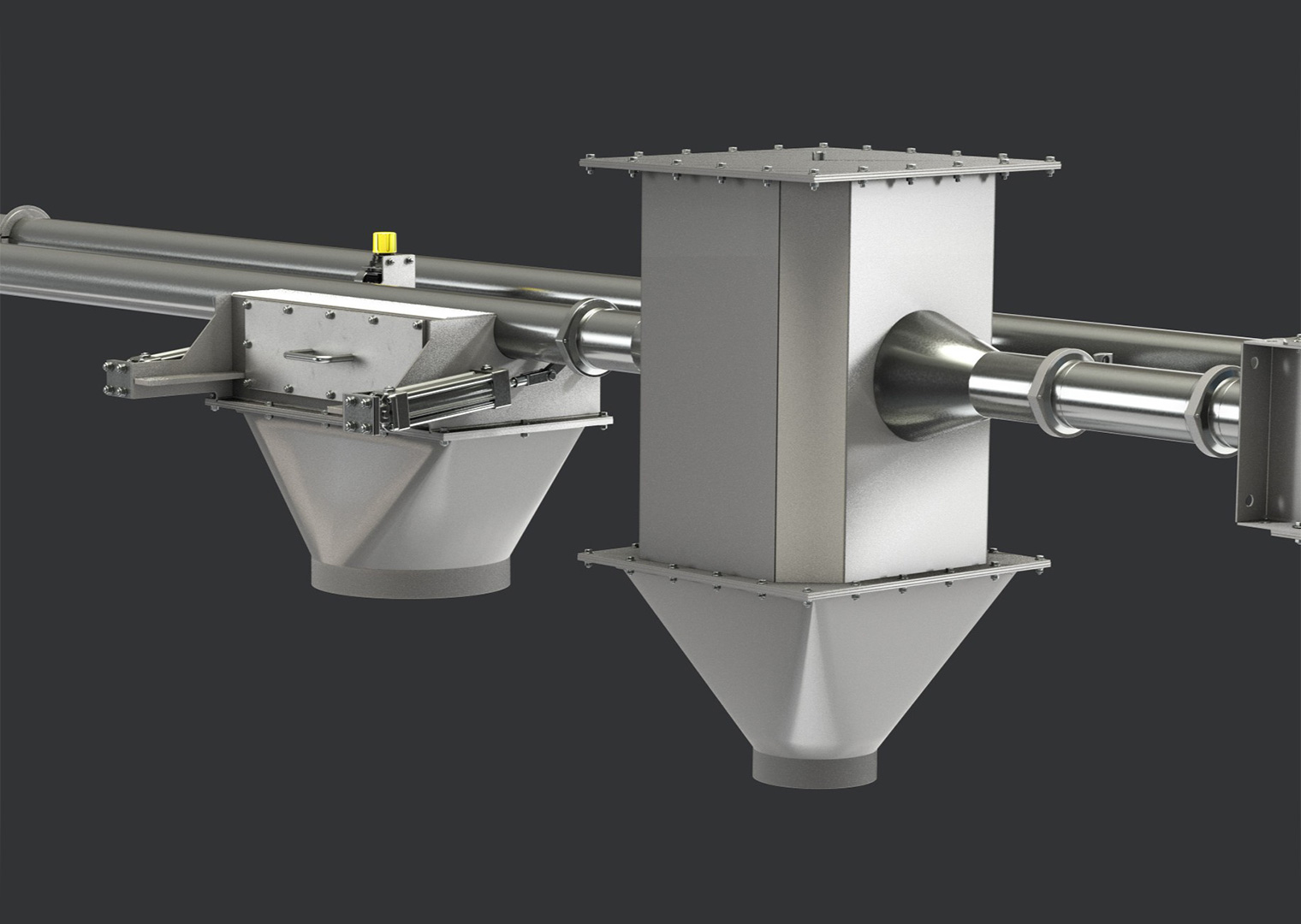
Systems can be configured with multiple material inlet and discharge points to serve the process layout.
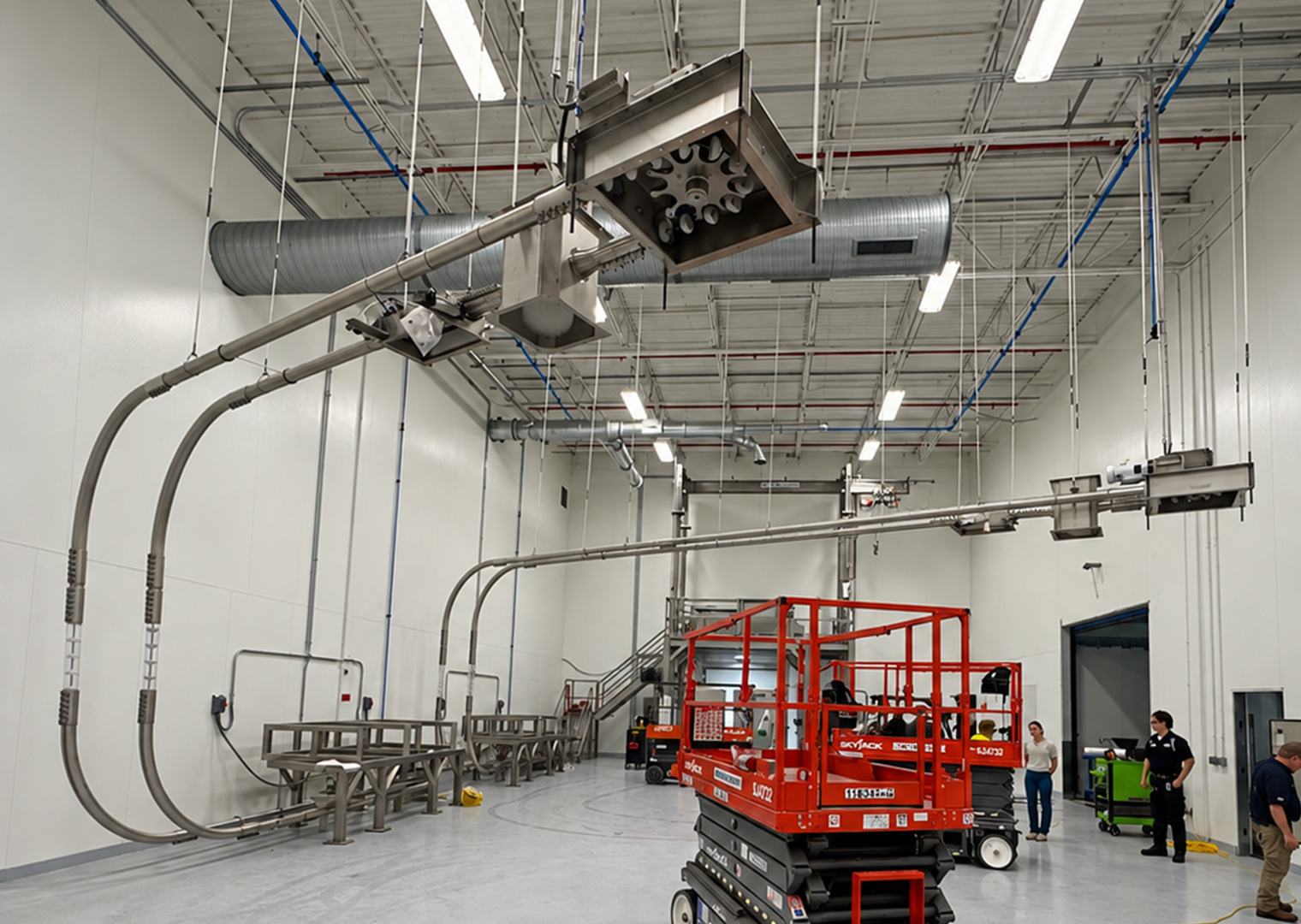
Drive assemblies can be configured for floor-mounted or suspended installation.
Hapman’s engineering team has helped customers with CablePro applications in the following industries:
Want to see why CablePro® is the best fit for your product? We can also run sample conveying tests on certain materials. Get in touch with our team to customize your specs to exactly what you need.
Want to talk to a technical specialist about your specs for the Tubular Cable Conveyor?


Check out our specs for the Helix® flexible screw conveyor.
What materials can a tubular cable conveyor handle?
Tubular cable conveyors can handle a wide range of powders, granules, and fragile bulk solids. CablePro is particularly well suited for materials that benefit from gentle handling, including nuts, coffee, rice, dry beans, breakfast cereals, snack foods, pet food and treats, frozen foods, food powders, grains, and plastic resin granules. Material characteristics and conveying requirements should be evaluated to determine the appropriate system design.
How does a tubular cable conveyor work?
A tubular cable conveyor uses a continuous cable-and-flight assembly to move bulk material through an enclosed tube. As the cable travels through the circuit, flights gently carry material from the inlet to the discharge. The conveyor can move material horizontally, vertically, and across multiple planes, allowing a single system to connect multiple process points.
How do you clean a cable conveyor?
Cable conveyors can be configured for wet or dry cleaning based on the material and sanitation requirements. CablePro cleaning options include scouring pads, sponge scrubbers, nitrile wipers, air knives, and powered or non-powered brush boxes. Clean-in-place (CIP) configurations with spray nozzles are also available for applications requiring wet cleaning.
What is the difference between a cable conveyor and a chain tubular drag conveyor?
Both cable and chain tubular drag conveyors move bulk material through an enclosed tube, but they use different mechanisms to pull the flights through the circuit. Cable conveyors use a stainless-steel cable and are well suited for applications where gentle handling and sanitary design are priorities. Chain tubular drag conveyors use a chain and may be better suited for applications requiring greater circuit pull. The right technology depends on the material, capacity, conveying distance, layout, and sanitation requirements.
How often do cable conveyor flights need to be replaced?
Flight replacement is application dependent. Wear rates are influenced by the material being conveyed, conveyor layout, operating hours, speed, and maintenance practices. In some demanding applications, flights may require frequent replacement, while other systems can operate for many years without replacing the flight assembly. Regular inspection is the best way to determine replacement timing for your specific application.